
Pop Up Waste vs Traditional Plug Waste: What Is the Difference?
A sink drain may look like a small bathroom component, but it plays an important role in daily comfort and water management. Every time people wash their hands, brush their teeth, or clean items in a basin, the drain system controls how water is stored and released.
Among different drain designs, Pop Up Waste has become increasingly popular in modern bathrooms because of its convenient operation and clean appearance. However, traditional plug waste systems are still widely used in many homes and commercial spaces.
So what are the real differences between Pop Up Waste and traditional plug waste? Understanding their design, operation, and advantages can help people better understand modern bathroom drainage systems.
What Is a Pop Up Waste?
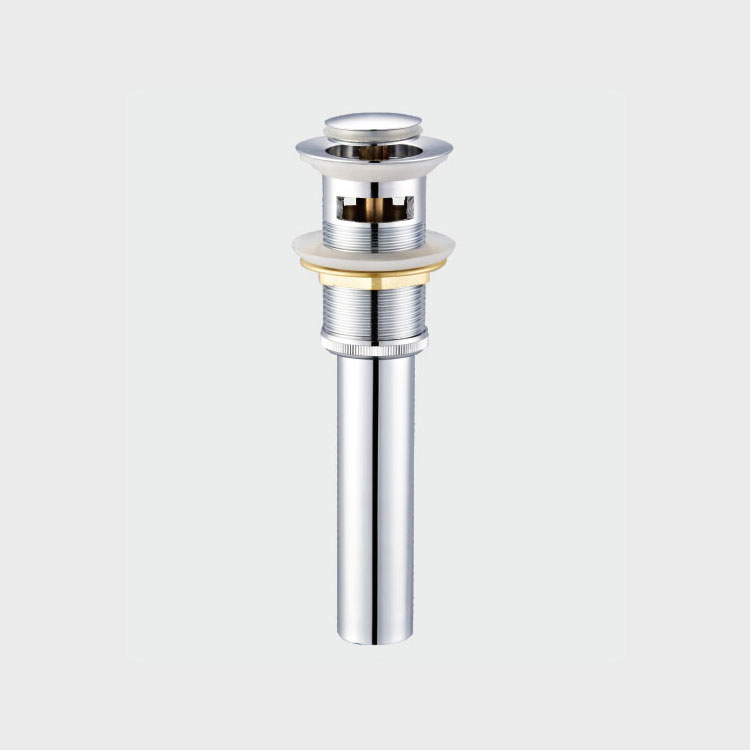
A Pop Up Waste is a type of sink drain system that allows users to open and close the drain by pressing the top cover.
Unlike traditional drain plugs that need to be manually removed or inserted, a pop up waste uses an internal mechanism to control water flow.
A typical Pop Up Waste includes:
- Drain body
- Push button cover
- Spring mechanism
- Sealing components
- Overflow structure (depending on design)
Its simple push operation has made it a common choice for modern bathroom sinks.
What Is a Traditional Plug Waste?
A traditional plug waste is a more basic drainage solution where users manually place or remove a stopper to control water flow.
This type of design has been used for many years because of its simple structure and easy installation.
Common characteristics include:
- Simple drain structure
- Manual operation
- Low maintenance requirements
- Suitable for various sink applications
How Do Pop Up Waste and Traditional Plug Waste Work?
Working Principle of Pop Up Waste
The operation process is based on a mechanical push system:
Press drain cover
↓
Internal spring mechanism moves
↓
Drain opens or closes
↓
Water flow is controlled
This design allows users to operate the drain without touching wet or dirty plugs.
Working Principle of Traditional Plug Waste
Traditional plug waste works through direct physical placement:
Insert stopper
↓
Drain opening is sealed
↓
Remove stopper
↓
Water flows away
Pop Up Waste vs Traditional Plug Waste: Key Differences
| Feature | Pop Up Waste | Traditional Plug Waste |
|---|---|---|
| Operation | Push button control | Manual plug removal |
| Convenience | Quick one-touch operation | Requires direct handling |
| Appearance | Modern and integrated design | More traditional appearance |
| Daily Use | Easy for frequent use | Simple but less convenient |
| Maintenance | Requires occasional mechanism cleaning | Simple structure maintenance |
| Bathroom Style | Suitable for contemporary designs | Suitable for traditional bathrooms |
Why Are Pop Up Wastes Becoming More Popular?
The popularity of Pop Up Waste is closely related to modern bathroom design trends.
1. Cleaner Appearance
Modern bathrooms often focus on simple and organized visual designs. A pop up drain creates a cleaner surface because there is no separate stopper hanging around the sink.
2. Easier Daily Operation
A simple push action makes opening and closing the drain faster and more convenient.
This is especially useful in frequently used bathrooms.
3. Better Design Integration
Pop up wastes are available in different finishes, allowing them to match faucets, sinks, and other bathroom accessories.
Advantages of Traditional Plug Waste
Although Pop Up Waste systems are popular, traditional plug waste still has its own advantages.
- Simple construction
- Easy replacement
- Lower initial cost
- Suitable for basic applications
For simple sinks or projects where cost and easy maintenance are the main considerations, traditional designs remain practical.
Which One Is Better for Modern Bathrooms?
The choice between Pop Up Waste and traditional plug waste depends on the bathroom design and usage requirements.
| Application | Recommended Option |
|---|---|
| Modern home bathroom | Pop Up Waste |
| Luxury bathroom design | Pop Up Waste with decorative finish |
| Simple utility sink | Traditional Plug Waste |
| High-frequency daily use | Pop Up Waste |
Common Problems With Sink Waste Systems
Regardless of the drain type, proper maintenance is important for long-term performance.
Common issues include:
- Hair or debris blockage
- Water leakage
- Slow drainage
- Seal aging
Regular cleaning and correct installation can help extend the service life of both systems.
The Future Trend of Bathroom Drain Design
Bathroom accessories are becoming more focused on combining functionality with aesthetics.
Future drain systems may include:
- Improved sealing technology
- Water-saving designs
- Smarter bathroom integration
- More durable materials
- Better matching with modern interiors
Conclusion
Both Pop Up Waste and traditional plug waste have their own advantages. Traditional designs provide simplicity and reliability, while Pop Up Waste offers a cleaner appearance and easier daily operation.
With modern bathrooms increasingly focusing on convenience and design details, Pop Up Waste has become a popular solution for contemporary sink drainage systems.
A small component like a drain may seem unnoticed, but it demonstrates how thoughtful design can improve everyday experiences.
Send Inquiry



X
We use cookies to offer you a better browsing experience, analyze site traffic and personalize content. By using this site, you agree to our use of cookies.
Privacy Policy