
U-Trap vs. P-Trap: Choose Right, Say Goodbye to Odors
During renovation or repairs, you often face a small but important choice — which bend should go under your drainpipe, a U-trap or a P-trap? It may seem insignificant, but the wrong pick can leave your bathroom smelling like a sewer — and might even fail to meet modern building codes. This practical guide will help you understand the differences, applications, and how to choose the right one.
What Are They? One Core Principle
Both U-traps and P-traps are types of traps, and they work on the same core principle: water seal. A small amount of water is retained in the bend, forming a "water plug" that blocks sewer gases, bacteria, and bugs from coming back up. According to Chinese national standards, the effective water seal depth must be no less than 5 cm to guarantee odor protection.
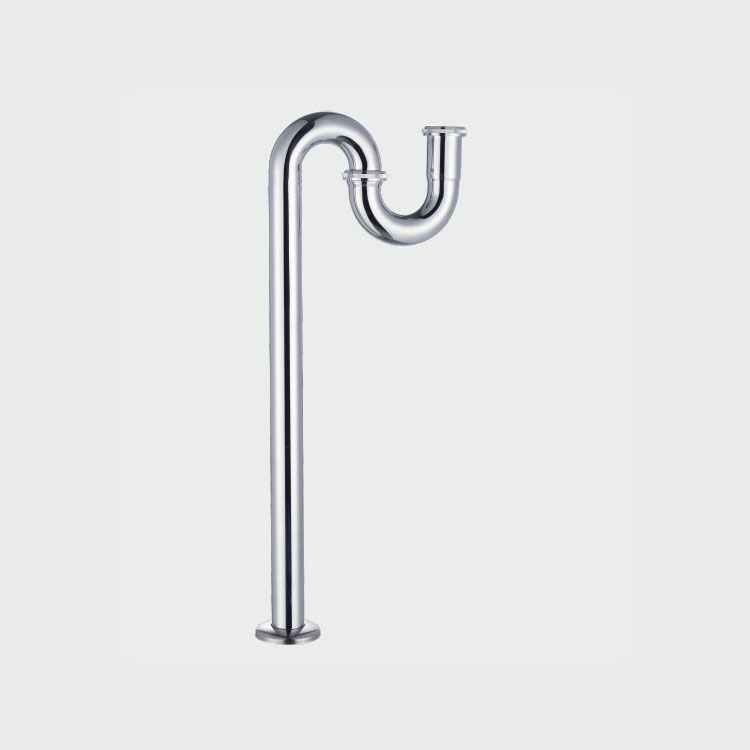
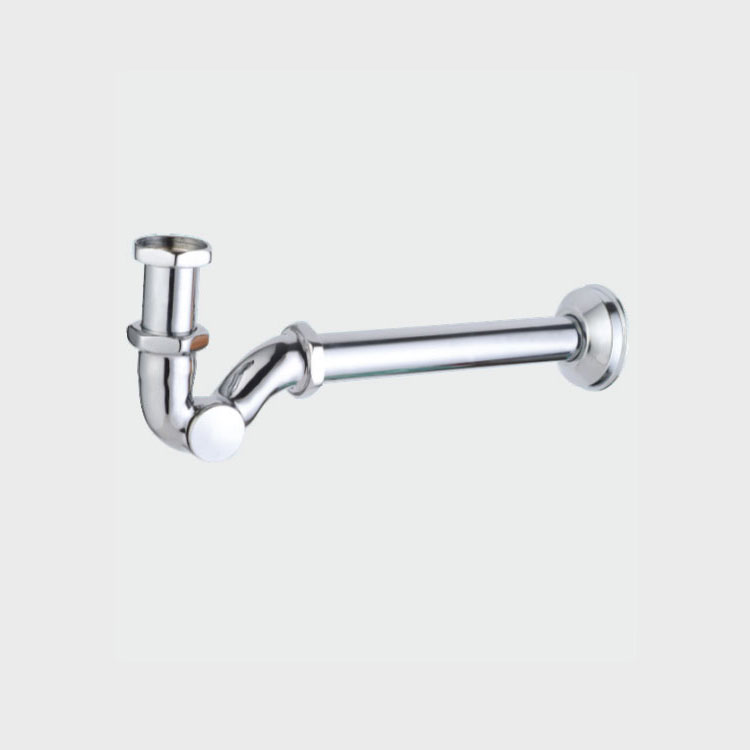
Simply put: if it looks like a "U," it's a U-trap; if the outlet extends into a horizontal pipe and the whole thing looks like a sideways "P," it's a P-trap.
Differences and Applications: At a Glance
| Comparison | P-Trap | U-Trap |
|---|---|---|
| Appearance | U-bend with a horizontal outlet, forming a "P" shape | Pure U-shaped bend with a downward outlet |
| Seal Stability | Features a vent pipe to prevent siphoning, keeps the seal strong | No venting, prone to siphoning and seal loss |
| Meets Modern Building Codes? | Yes, recommended | No, rarely used in household drainage |
| Main Applications | Wall-discharge fixtures like sinks, vanities, and bathtubs | Condensate drains for A/C units, or oil traps in refrigeration systems |
| Primary Function | Odor and pest blockage | Odor blockage (old-style) or oil return (refrigeration) |
P-Trap: The Absolute Mainstream Choice for Modern Homes
This is by far the most common type and the one recommended by modern building codes.
Design: The outlet of the U-bend connects to a horizontal drainpipe through a 90° elbow, forming a "P" shape.Biggest Advantage: It features a vent pipe (connected to a stack venting through the roof) that balances air pressure in the pipe, preventing siphoning from sucking the water seal dry. This locks the water seal in place reliably.
Applications: Suitable for most wall-discharge plumbing fixtures, such as:
Bathroom vanities (under the sink)
Kitchen sinks
Bathtubs or shower floor drains
Note: In certain specialized cases, such as air conditioner condensate drain lines, a trap (often called a U-bend) is also required to block air and prevent odors or negative pressure from interfering with drainage.
U-Trap: A Technical Choice for Specific Scenarios
In residential drainage, the standalone U-trap (with a straight downward outlet) is rarely used anymore because it's prone to losing its seal due to siphoning, making it non-compliant with modern plumbing codes.
However, the U-trap design still serves a purpose in professional fields.
Applications:Refrigeration systems: A U-trap or P-trap "oil trap" is installed at the bottom of vertical risers in air conditioning or refrigeration piping. Its job is to help return lubricating oil to the compressor, preventing oil from accumulating in the evaporator and reducing efficiency, while also stopping liquid refrigerant or oil from slamming into the compressor during shutdowns. In this context, U- and P-traps serve mechanical performance rather than odor prevention.
How to Choose? Three Clear Recommendations
-
New construction or remodeling: go with a P-trap, no question. This is the safest and most code-compliant choice. The P-trap + vent pipe combo is the gold standard for keeping bathrooms and kitchens odor-free for years.
-
Check the key specs: When buying, don't just look at the shape — make sure the water seal depth reaches 50 mm, and that drainage flow ratings meet national standards. These directly determine odor protection and real-world performance.
-
Special cases: If you have an older home where the waste pipe comes straight up from the floor, you might have an S-trap. If you want to upgrade, consult a licensed plumber to see if you can retrofit the system into a safe P-trap setup — for example, by adding an air admittance valve (AAV) .
Here's a handy rule of thumb: For odor protection, pick a P-trap — stable and safe; U-traps are classics, but now found in non-residential spaces.
For the vast majority of home applications, the P-trap is the more reliable choice. Its thoughtful design and venting system effectively lock in the water seal, making it the unsung guardian of your indoor air quality.
Send Inquiry



X
We use cookies to offer you a better browsing experience, analyze site traffic and personalize content. By using this site, you agree to our use of cookies.
Privacy Policy